Motion planning
Plan a dzine ai image to video scene
A dzine ai image to video workflow starts with a still and a clear idea of what should move. Describe the action, then check the destination tool's current input and output options before committing to a project.
What this variant is
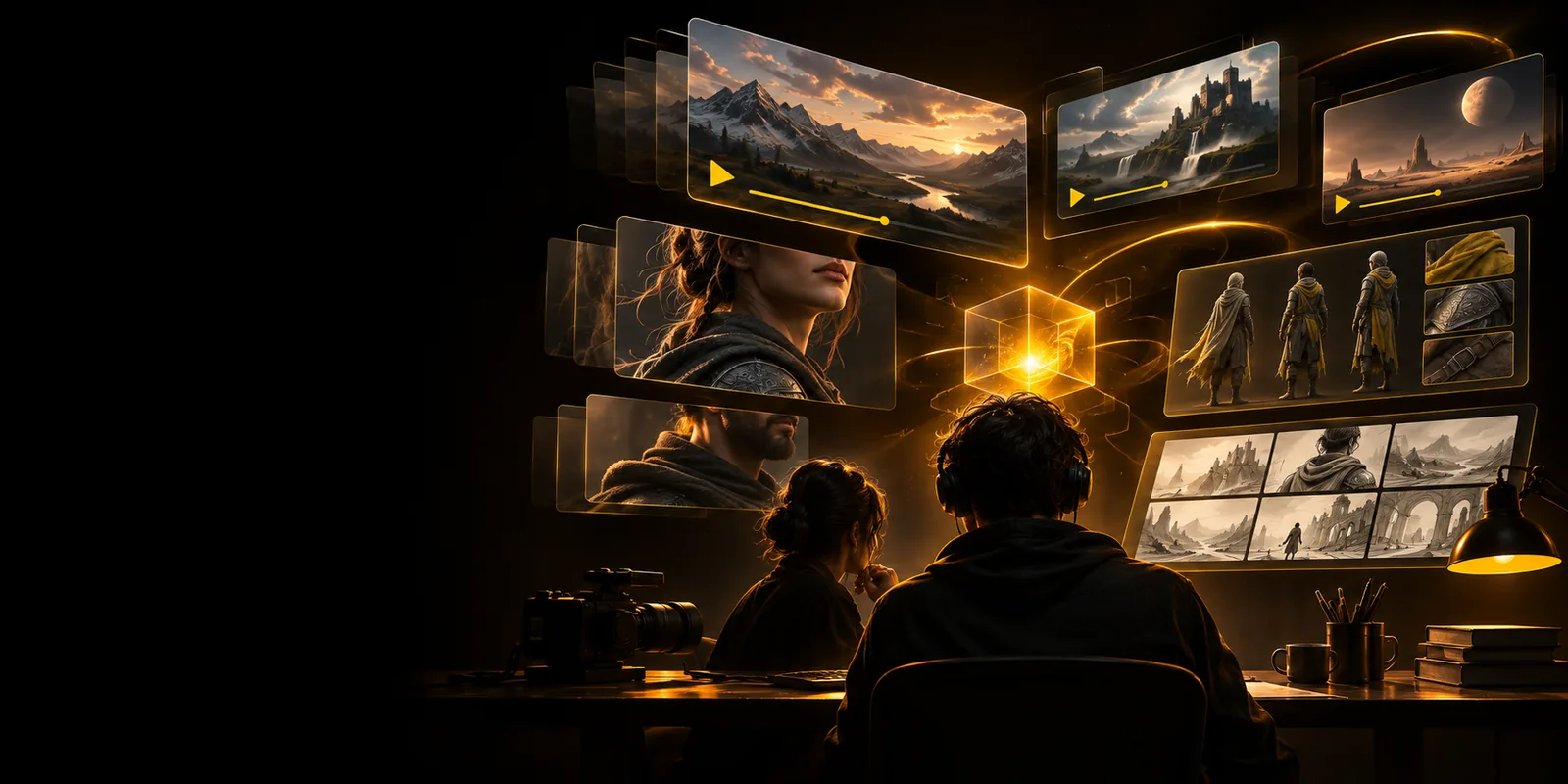
Image to video uses a still as the visual reference for a proposed moving scene. The reference establishes the subject and composition; your motion description explains what should change over time.
Why move from an image to a video?
A reference image can make the intended subject easier to communicate than a description alone. It cannot, however, specify every frame of the finished clip.
-
A still cannot define exact motion
The picture shows where objects begin, not their speed, direction or final position. Image to video therefore needs a separate motion description.
WorkaroundName one primary movement and one camera movement; keep each direction unambiguous.
-
Hidden details remain unknown
A single view does not reveal the back of a person or an object. Large rotations may require the tool to invent those unseen details.
WorkaroundUse a modest camera move, or supply more visual references if the destination supports them.
-
Output quality is not guaranteed
Small text, hands and fast movement can change unexpectedly between frames. A polished still does not guarantee a stable clip.
WorkaroundReview the result frame by frame and revise the motion request where continuity matters.
The tool block: plan the motion
Treat these as preparation steps, not a promise that every control is available at the destination. Confirm its current image-input options before submitting a reference.
-
1
Choose a readable still
Pick an image with a clear subject, visible edges and room for the intended movement. Avoid relying on tiny lettering to carry the scene.
-
2
Describe one action
Say what moves, which way it moves and how the camera behaves. For example, ask for a slow push toward the subject while the background stays steady.
-
3
Check and revise
If image input and video output are supported, inspect the resulting clip for identity, unwanted objects and abrupt changes before using it.
Image-to-video specification table
This compares the material you prepare with the result you intend. It is a planning checklist, not a list of verified settings or output guarantees for Dzine or the linked service.
Starting still
Intended moving clip
Visual role
Starting still
Establishes subject and composition
Intended moving clip
Shows how that subject changes over time
Movement
Starting still
None is visible
Intended moving clip
Action needs a direction and pace
Camera
Starting still
One fixed viewpoint
Intended moving clip
Can call for a steady view or a described move
Continuity
Starting still
Only one moment must look coherent
Intended moving clip
Details should remain coherent across frames
Hidden surfaces
Starting still
Not shown in the reference
Intended moving clip
May become visible if the subject turns
Review focus
Starting still
Composition and legibility
Intended moving clip
Motion, identity and frame-to-frame stability
Take a prepared scene idea forward
Start with a clear still and one clear movement
Use the scene description above as a starting point, then verify whether the destination accepts your image and produces the kind of video you need. The linked service is separate from this planning guide; its available features and requirements may differ.
Explore video creation- Keep the subject easy to identify
- Describe motion separately from appearance
- Review continuity before using a clip
Variant FAQ
It describes the goal of using a still image as the starting reference for a moving scene. The image communicates appearance, while a separate instruction can describe motion. Check the destination's current capabilities before assuming it accepts image inputs.
Choose a still with a recognizable subject and enough space for the action you want. A simple composition is easier to evaluate once it moves. If text or fine details are essential, inspect them closely in any resulting clip.
Identify the moving subject, its direction and the camera's behavior. Start with one principal action rather than several competing events. You can then revise the description based on what the destination actually produces.
No. A still does not define unseen surfaces or every intermediate frame, so details may shift during movement. Review the clip for continuity, especially when a subject turns or crosses another object.